

Blog
The evolution of gambling A journey through time and culture

The evolution of gambling A journey through time and culture
The Ancient Roots of Gambling
The origins of gambling can be traced back thousands of years to ancient civilizations. Archaeological evidence suggests that dice games were played in Mesopotamia around 3000 BCE, where people used primitive tools made from animal bones to wager on outcomes. Similarly, the ancient Chinese were known to engage in gambling activities with rudimentary games, such as a form of lottery known as “Keno,” as early as 200 BCE. This early fascination with chance and luck laid the groundwork for the more structured games we see today. Today, you can find resources like payid pokies that help players navigate the modern landscape of online gaming.
In ancient Rome, gambling was prevalent among both the upper and lower classes. Romans would gamble on gladiatorial contests and chariot races, using a variety of betting methods to engage in this popular pastime. The desire for risk and reward transcended social hierarchies, revealing a shared human inclination towards games of chance. This cultural acceptance of gambling led to the establishment of regulations and even state-run lotteries, which were aimed at raising funds for public projects.
As societies evolved, so did the perception of gambling. While some cultures embraced it as an integral part of social life, others viewed it with skepticism, associating it with moral decay. This dichotomy reflects the complex relationship humans have with luck, chance, and the thrill of winning, which continues to influence gambling practices worldwide today.
The Rise of Organized Gambling
The Middle Ages saw the emergence of more organized forms of gambling, with the establishment of the first gambling houses in Europe. These establishments not only offered games of chance but also provided a social space for people to gather. In this period, the invention of playing cards gave rise to poker and similar games, which would become staples in gambling culture. The poker game specifically has undergone numerous transformations, resulting in various versions that captivate players around the globe.
As the Renaissance ushered in a new era of exploration and trade, gambling expanded beyond Europe. The first official lottery in England was established in 1569, paving the way for other nations to introduce their lotteries for public finance. This rise in organized gambling can be seen as a response to the increasing complexity of economic systems, as people began to wager not just on games but also on future events, reflecting a growing appetite for risk in the face of uncertainty.
The 17th and 18th centuries witnessed the proliferation of betting parlors, which catered to the wealthy elite. This marked a shift from informal betting to more formalized gambling institutions. These establishments began implementing rules and systems designed to promote fairness and transparency, laying the groundwork for modern casinos. As gambling became more regulated, it transitioned from being a social activity to a significant economic enterprise, spurring the creation of regulations and legislation to manage its growth.
The Advent of Modern Casinos
The 19th century saw the establishment of the first true casinos, with the opening of Casino de Monte-Carlo in Monaco in 1863. This marked a pivotal moment in the evolution of gambling, as casinos began to encapsulate not just the games themselves but an entire experience. Patrons were drawn not only to the thrill of gambling but also to luxurious surroundings, elaborate entertainment, and social gatherings. This transformation attracted visitors from around the world, solidifying casinos as key players in the tourism industry.
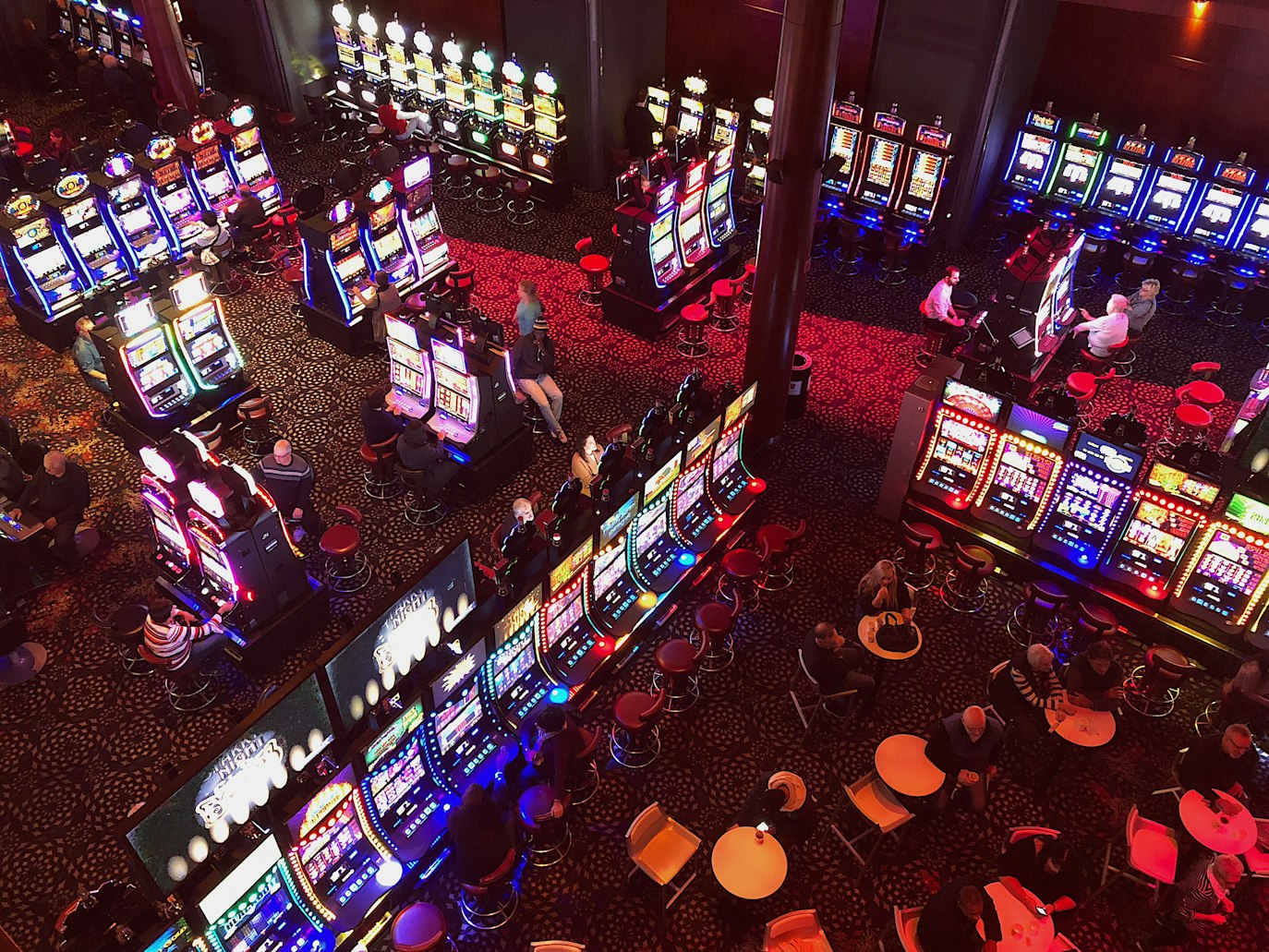
The introduction of slot machines in the late 19th century brought about another revolution in gambling. These machines allowed players to engage in quick, easy forms of betting without the need for complex rules or strategies. As slot machines grew in popularity, they paved the way for the development of online gambling in the late 20th century, which democratized access to gambling and created new opportunities for players worldwide.
As the 20th century progressed, gambling continued to evolve. The establishment of Las Vegas as the gambling capital of the world in the 1940s epitomized the cultural acceptance of gambling in mainstream society. Casinos in Las Vegas began to push boundaries with extravagant themes, massive resorts, and diverse entertainment options. This transformation highlighted a shift in perception, where gambling became not just a vice but a legitimate form of entertainment embraced by millions.
The Digital Revolution in Gambling
The digital age has had a profound impact on gambling, with the rise of the internet creating a new landscape for enthusiasts. Online casinos began to emerge in the mid-1990s, providing a platform for players to engage in their favorite games from the comfort of their homes. This convenience has attracted a diverse range of participants, leading to a significant shift in the demographic landscape of gamblers. Players now span across age groups and backgrounds, often favoring the ease of online platforms over traditional brick-and-mortar establishments.
Mobile gaming has further transformed the gambling experience, allowing users to place bets on the go. With the advent of smartphones and tablet devices, gambling apps have proliferated, making it more accessible than ever. Users can easily engage in online poker, slots, and sports betting, leading to a surge in popularity and revenue for the industry. This shift not only enhances convenience but also offers an array of features such as bonuses, live dealer options, and social interaction, enhancing the overall gambling experience.
However, the digital revolution has also raised concerns regarding responsible gambling. The ease of access can lead to addictive behaviors, prompting many jurisdictions to implement regulations aimed at protecting players. Online casinos now offer tools for self-exclusion and monitoring gambling behavior, as the industry recognizes the importance of promoting safe gambling practices while catering to the modern player’s demands.
The Future of Gambling
The future of gambling appears to be a blend of tradition and innovation. As technology continues to advance, we can expect developments such as virtual reality casinos, which promise an immersive gaming experience that mimics physical casinos. This potential for interaction and realism could redefine how players engage with games, making them feel as if they are truly in a bustling casino environment from their own living rooms.
Additionally, the integration of blockchain technology and cryptocurrencies may revolutionize the industry by enhancing security and transparency in transactions. This could offer players a higher degree of trust and anonymity, appealing to those who are wary of traditional banking methods. As online gambling regulations evolve to accommodate these changes, the industry may become more inclusive and accessible, appealing to a broader audience.
The psychological aspects of gambling will likely remain a focal point as well. Understanding the motivations and behaviors of players will be crucial for both operators and regulators. As society continues to grapple with issues related to addiction and responsible gambling, fostering an environment that encourages safe play will be essential in ensuring the longevity of the gambling industry in a rapidly changing world.

Conclusion: A Journey Continues
The evolution of gambling is a fascinating journey that reflects humanity’s enduring relationship with chance, risk, and reward. From its ancient roots to the sophisticated digital platforms of today, gambling has continuously adapted to cultural shifts and technological advancements. It remains an integral part of social interaction and entertainment, bridging gaps between generations and communities.
As we move forward, the interplay between traditional practices and modern innovations will shape the future of gambling. Websites dedicated to providing information about safe gaming options and responsible practices are essential to guide players in this ever-changing landscape. By staying informed and understanding the psychological aspects of gambling, individuals can enjoy this exhilarating activity while minimizing risks, ensuring a balanced approach to gaming.